

How to Clean Commercial Ductwork Right
- coolbreezelv
- 3 hours ago
- 5 min read
A commercial building can look spotless and still be moving dust, debris, and allergens through the air every time the HVAC system turns on. That is why knowing how to clean commercial ductwork matters for more than appearance. It affects indoor air quality, airflow, energy use, and the strain placed on expensive heating and cooling equipment.
In office buildings, retail spaces, medical suites, warehouses, and multi-tenant properties, ductwork collects more than ordinary dust. It can hold construction debris, insulation particles, pollen, sand, pest residue, and moisture-related buildup. In dry desert conditions, where fine dust moves in constantly, the problem often builds faster than owners and property managers expect.
Why commercial ductwork cleaning needs a careful approach
Commercial systems are not just larger versions of residential ductwork. They usually serve bigger spaces, longer duct runs, multiple zones, rooftop units, and a wider range of occupancy needs. Cleaning them properly means protecting the HVAC system while also minimizing disruption to the people who use the building.
That is where many well-meaning attempts go wrong. A quick vacuum at a vent opening is not the same as system-wide cleaning. If debris is loosened without proper containment and negative pressure, it can spread into occupied areas or get pushed deeper into the system. If a technician misses key components like coils, registers, diffusers, or blower sections, the result may be incomplete and short-lived.
How to clean commercial ductwork step by step
The right process starts with inspection, not guesswork. Before any equipment is brought in, the duct system should be evaluated to identify access points, contamination levels, duct material, airflow design, and any signs of damage. In commercial buildings, some sections may be internally lined, insulated, or harder to access, which affects the cleaning method.
A proper inspection also helps answer the most practical question: does the whole system need cleaning, or only certain areas? Sometimes a property has heavy buildup near supply trunks and returns but not in every branch line. Other times, post-construction dust or neglected maintenance means the entire system needs attention.
Start with system shutoff and site protection
Before cleaning begins, the HVAC system should be turned off and the work area protected. Registers, vents, surrounding surfaces, and sensitive workspaces may need containment barriers or coverings. In active businesses, timing matters. Cleaning after hours or in sections can reduce disruption and protect indoor comfort for staff, tenants, or customers.
This step may seem basic, but it matters. Commercial cleaning should not create a mess in the occupied space. Good preparation protects both the building and the people inside it.
Create negative pressure in the duct system
One of the most important parts of how to clean commercial ductwork is creating strong negative pressure with professional vacuum collection equipment. This pulls loosened dust and debris out of the system instead of letting it circulate back into the building.
For larger commercial jobs, this usually requires powerful truck-mounted or high-capacity portable vacuum systems connected to the duct network through carefully selected access points. The equipment has to match the size and complexity of the system. A small machine may be fine for a limited area, but it may not be enough for a larger facility with long duct runs.
Agitate and dislodge debris
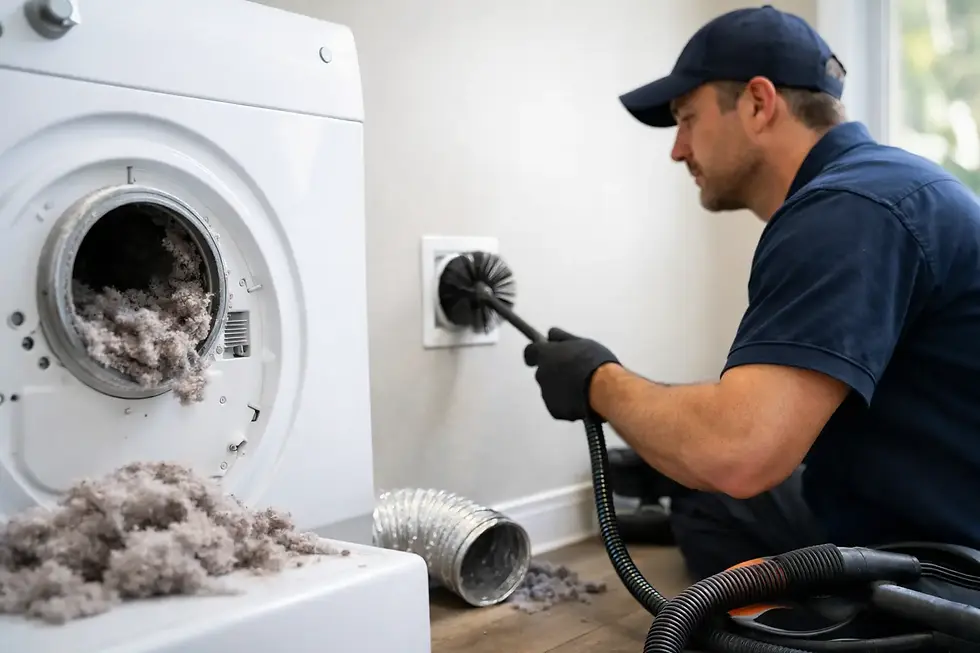
Once negative pressure is established, technicians use agitation tools to break loose buildup from the interior surfaces of the ductwork. Depending on the duct type, that may include rotary brushes, compressed air whips, air snakes, or other specialized tools.
The method depends on the material and condition of the duct system. Sheet metal ducts can usually handle more aggressive mechanical cleaning than fragile duct board or internally lined ducts. That is one reason commercial duct cleaning is not a one-size-fits-all process. The goal is to remove contamination without damaging the system.
Clean supply ducts, return ducts, and components
A complete job goes beyond the main trunk lines. Supply ducts and return ducts both need attention because contamination can build on both sides of the system. Registers, grilles, diffusers, and accessible branch lines should also be cleaned.
In many buildings, the HVAC components themselves are part of the problem. If the blower compartment, evaporator coil, drain pan, or air handler is dirty, those areas can continue affecting airflow and cleanliness even after the ducts are addressed. Cleaning the ductwork without checking the connected system components may leave part of the job unfinished.
Verify the results
After cleaning, the system should be reviewed to confirm that debris has been removed and that no damage occurred during service. In commercial settings, photo documentation can be especially helpful for property managers, facility teams, and building owners who need proof of work.
Clear communication matters here. A reliable contractor should be able to explain what was found, what was cleaned, and whether any issues such as loose insulation, leaks, microbial growth, or damaged sections need separate repair.
What not to do when cleaning commercial ducts
The biggest mistake is treating commercial duct cleaning like janitorial work. It is HVAC system maintenance, and it needs the right equipment and training. Simply removing vent covers and vacuuming what is visible will not solve deeper buildup.
It is also risky to use harsh chemicals without a clear reason. In most cases, source removal is the priority. Environmentally safe methods are often the better fit, especially in buildings where air quality matters to employees, customers, or sensitive occupants. If sanitizers or treatment products are used, they should be chosen carefully and applied only when appropriate.
Another common issue is ignoring the cause of the buildup. If ducts are getting dirty quickly, there may be poor filtration, duct leaks, recent renovation work, or heavy outdoor dust infiltration. In places like Las Vegas, desert dust and sand are constant pressures on commercial HVAC systems. Cleaning helps, but preventing repeat contamination is just as important.
When commercial ductwork should be cleaned
There is no single schedule that fits every building. A medical office, restaurant-adjacent retail unit, warehouse, and standard office suite all experience different air quality demands. Occupancy, hours of operation, surrounding construction, filter quality, and local dust levels all affect timing.
That said, there are clear signs a commercial property may be overdue. Dust blowing from vents, visible buildup around registers, musty odors, uneven airflow, frequent filter loading, and unexplained HVAC strain all deserve attention. After remodeling or tenant improvements, cleaning is often a smart move because fine construction dust can settle deep into the system.
For many businesses, routine inspection is the best policy. It keeps small issues from becoming expensive ones and helps owners stay ahead of avoidable wear on HVAC equipment.
Should you handle commercial duct cleaning in-house?
For basic vent dusting or replacing filters, an in-house maintenance team may be able to handle routine tasks. Full commercial duct cleaning is different. It usually requires access planning, negative air equipment, agitation tools, and experience with different duct materials and building layouts.
There is also a liability side to consider. If cleaning is done improperly and debris is spread into occupied spaces, or if fragile ducts are damaged, the cost of fixing the mistake can outweigh any savings. For larger or more complex systems, professional service is usually the safer and more cost-effective choice.
A qualified contractor should be transparent about the process, realistic about what cleaning can and cannot solve, and willing to inspect before quoting major work. That kind of honesty matters, especially for property managers who need dependable service and clear documentation.
The real value of clean ductwork
Clean commercial ductwork supports healthier indoor air, steadier airflow, and better HVAC performance. It can also help reduce the dust complaints, comfort issues, and maintenance headaches that distract from running a business or managing a property.
At Cool Breeze LV LLC, we see how quickly desert dust can affect commercial systems and how much difference proper cleaning can make when it is done thoroughly. If you are unsure whether your building needs service, a professional inspection and free estimate can give you a clear answer without guesswork.
A cleaner duct system will not fix every indoor air issue, but it gives your building a better foundation to breathe, perform, and stay comfortable day after day.


Comments