

How to Choose Commercial Air Duct Cleaning Companies
- coolbreezelv
- 12 minutes ago
- 5 min read
When a building starts feeling dusty no matter how often it is cleaned, the problem is not always the floors, desks, or filters. In many cases, the issue is moving through the vents. That is why commercial air duct cleaning companies matter for offices, retail spaces, medical facilities, warehouses, and multi-tenant properties across Las Vegas.
In a desert climate, dust does not stay outside. It gets pulled into HVAC systems, settles inside ductwork, and recirculates through the building day after day. For property managers and business owners, that can mean more than a housekeeping headache. It can lead to poor airflow, added strain on equipment, uncomfortable indoor conditions, and more complaints from employees, tenants, or customers.
What commercial air duct cleaning companies actually do
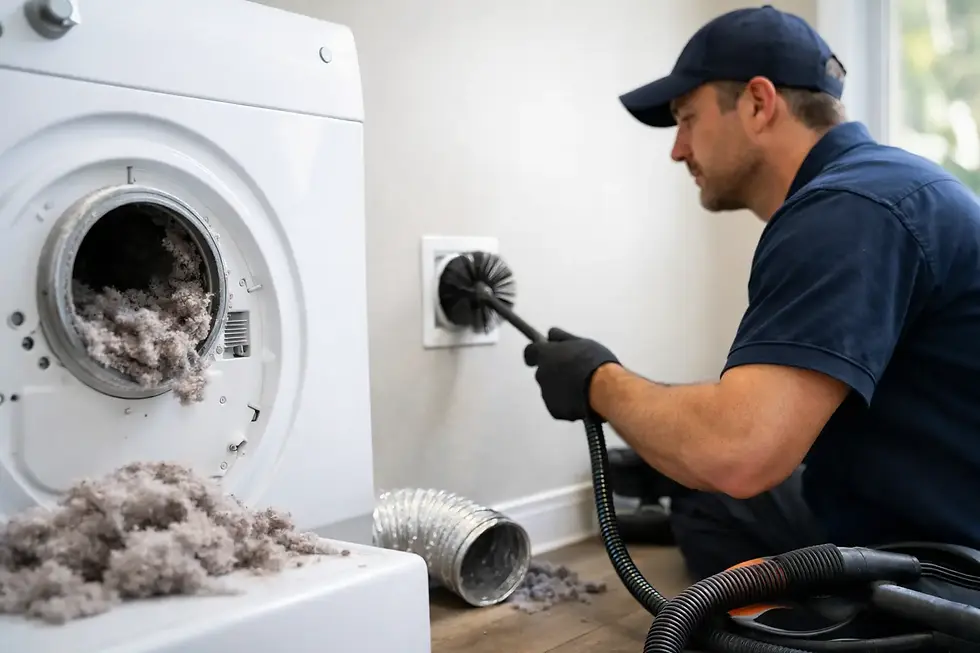
A qualified commercial duct cleaning provider does more than vacuum around vent covers. The job should involve inspecting the system, identifying buildup inside supply and return ducts, cleaning accessible components, and removing debris in a way that helps protect indoor air quality rather than making it worse during the process.
In commercial buildings, the work can be more complex than it is in a typical home. Larger systems, longer duct runs, rooftop units, higher occupancy, and varied operating schedules all affect how the cleaning should be planned. A small office with a single packaged unit will have very different needs than a restaurant, school, or mixed-use property.
That is why the best companies start with questions. They want to know the age of the building, the type of HVAC system, recent renovation activity, occupancy levels, and whether there are signs of uneven airflow, visible dust discharge, odors, or allergy concerns.
Why duct cleaning matters more in Las Vegas commercial properties
Las Vegas buildings deal with conditions that can accelerate duct contamination. Wind carries fine dust and sand. Dry weather keeps particles airborne. Pollen and outdoor debris enter through doors, loading areas, and ventilation pathways. If the property is near active construction, traffic corridors, or undeveloped land, buildup can happen even faster.
Inside the building, normal business activity adds to the problem. Foot traffic, shipping materials, paper dust, fabric fibers, and routine HVAC cycling all contribute. Over time, that material settles inside the duct system and can restrict performance.
This does not mean every commercial building needs the same cleaning schedule. It depends on the use of the space, the filtration setup, maintenance history, and local exposure conditions. Still, in Southern Nevada, waiting until there is a serious airflow problem is usually the expensive route.
How to evaluate commercial air duct cleaning companies
The most reliable companies are clear about their process. They explain what they inspect, what they clean, what equipment they use, and what results you can realistically expect. If a contractor makes broad promises without looking at the system, that is a red flag.
Start with experience in commercial work specifically. Residential duct cleaning and commercial duct cleaning are not interchangeable. Commercial projects often involve larger mechanical systems, access coordination, after-hours scheduling, and more careful communication with facilities staff or tenants.
Next, ask about equipment and containment. A professional provider should use methods designed to remove debris from the system rather than just dislodge it. In occupied buildings, controlling dust during service is especially important. Eco-friendly cleaning practices also matter, particularly in workplaces where occupants may be sensitive to harsh chemicals or strong odors.
Certification, insurance, and technician training should also be part of the conversation. You want a company that treats duct cleaning as a skilled service, not a quick add-on. Properly trained technicians are better prepared to recognize issues like disconnected ducts, heavy buildup near coils or registers, and signs that the HVAC system may need attention beyond cleaning alone.
Questions worth asking before you hire
A good estimate should feel like a real evaluation, not a sales script. Ask whether the company has experience with your property type and whether they can work around your operating hours. For some businesses, overnight or weekend scheduling is the only practical option.
It also helps to ask exactly what is included. Some companies quote only the main duct runs, while others include vents, returns, and key HVAC components. Price matters, but scope matters more. A low quote is not a bargain if it leaves major parts of the system untouched.
You should also ask how they document the job. Before-and-after photos, inspection findings, and clear explanations build trust. Commercial clients often need that documentation for maintenance records, ownership reporting, or lease management.
Warning signs to watch for
Not every company advertising duct cleaning is set up to handle commercial buildings properly. Be cautious of unusually low promotional pricing, especially if the company cannot clearly explain how the estimate was calculated. In many cases, those offers are designed to get in the door and then raise the price once the work begins.
Another concern is vague language. If the contractor avoids specifics about methods, timing, equipment, or technician qualifications, keep looking. Commercial properties need a dependable service partner, not guesswork.
You should also be cautious with companies that promise duct cleaning will solve every indoor air quality issue. Cleaner ductwork can absolutely help reduce dust circulation and support HVAC efficiency, but it is one part of a larger system. Filtration, humidity control, housekeeping standards, and routine HVAC maintenance all play a role.
When your building may be due for service
Some signs are easy to spot. Dust buildup around supply vents, musty or stale odors when the system turns on, inconsistent airflow, or a noticeable increase in airborne dust are all common indicators. Occupant complaints can also be an early warning sign, especially in offices and shared commercial spaces.
There are less obvious triggers too. If your building has recently gone through remodeling, tenant improvement work, or a system repair, the ductwork may have collected a significant amount of debris. Properties with long vacancies can also develop buildup that goes unnoticed until the HVAC system is running at full demand again.
For businesses in Las Vegas, seasonal changeovers are a smart time to pay attention. When cooling demand ramps up, any restriction in the system becomes more noticeable. If the building is already struggling with comfort or efficiency, dirty ductwork may be part of the problem.
Choosing a company that fits your building
The best fit is not always the biggest company or the cheapest one. It is the provider that understands your property, communicates clearly, and takes the job seriously from the first call to the final walkthrough.
For local businesses, there is real value in working with a team that knows how desert conditions affect HVAC performance. A company that regularly services Las Vegas commercial properties will better understand how dust, sand, and dry air impact system cleanliness over time. That local experience often leads to better recommendations and more realistic maintenance planning.
Cool Breeze LV LLC is one example of the kind of local service partner many property owners look for - trained technicians, modern equipment, environmentally safe cleaning methods, and straightforward communication built around healthier indoor spaces and better HVAC performance.
Cost matters, but so does long-term value
Commercial decision-makers are right to ask about budget. Still, the better question is what the service helps prevent. A cleaner duct system can support airflow, reduce unnecessary HVAC strain, and help create a more comfortable indoor environment for the people using the space every day.
That does not mean every property needs frequent cleaning. Some buildings with strong filtration and disciplined maintenance can go longer between services. Others, especially high-traffic or dust-prone facilities, may benefit from a more regular schedule. The right company will not force a one-size-fits-all answer. They will explain what your system needs and why.
If you are comparing commercial air duct cleaning companies, look past the sales pitch and focus on clarity, experience, and local understanding. In Las Vegas, where dust is part of daily life, clean ductwork is not just a nice extra. It is part of keeping your building healthier, your HVAC system working harder for less, and your occupants more comfortable every day.
A clean building should feel clean in the air too, and the right service partner helps make that happen.


Comments