
Mold Risk Awareness: The Health Risks of Mold in Your Home
- coolbreezelv
- Apr 20
- 4 min read
Have you ever noticed that musty smell creeping into your living room or found a suspicious patch of discoloration on your bathroom wall? If so, you might be dealing with mold. Mold is more than just an eyesore or a funky smell - it can seriously affect your health and the comfort of your home. Today, I want to walk you through the health risks of mold in your home, why it’s crucial to stay vigilant, and what you can do to keep your indoor air fresh and safe.
Why Mold Risk Awareness Matters
Mold is a sneaky intruder. It thrives in damp, dark places and can spread quickly if left unchecked. You might think, “It’s just a little mold, what’s the big deal?” But here’s the thing: mold spores are tiny, airborne, and can easily find their way into your lungs. For homeowners and businesses in Las Vegas, where the desert climate can sometimes lead to unexpected moisture issues indoors, mold risk awareness is essential.
Mold doesn’t just damage your walls or furniture; it can also cause a range of health problems. From mild allergic reactions to severe respiratory issues, mold exposure is no joke. The good news? With a bit of knowledge and some proactive steps, you can keep mold at bay and protect your indoor environment.

Common Health Risks Linked to Mold Exposure
Let’s get real about what mold can do to your health. The health impact of mold varies depending on the type of mold, the amount of exposure, and your personal sensitivity. Here are some common health issues linked to mold:
Allergic Reactions: Sneezing, runny nose, red eyes, and skin rash are typical symptoms. If you’re prone to allergies, mold can make your symptoms worse.
Asthma Attacks: Mold spores can trigger asthma attacks in people with asthma. It’s like throwing fuel on the fire.
Respiratory Problems: Prolonged exposure can lead to coughing, wheezing, and difficulty breathing, even in people without asthma.
Infections: Though rare, some molds can cause infections, especially in people with weakened immune systems.
Toxic Effects: Certain molds produce mycotoxins, which can cause more severe health problems, including neurological symptoms.
If you or anyone in your home starts experiencing unexplained respiratory issues or allergic symptoms, it’s time to check for mold.
How to Spot Mold in Your Home
Mold can be tricky to detect because it often hides in places you don’t look every day. Here’s how to become a mold detective:
Look for Visible Signs: Mold often appears as black, green, or white patches on walls, ceilings, or around windows. It can look fuzzy or slimy.
Sniff Around: That musty, earthy smell is a classic mold giveaway.
Check Damp Areas: Bathrooms, basements, kitchens, and around air conditioning units are prime spots.
Watch for Water Damage: Stains, peeling paint, or warped surfaces can indicate moisture problems that lead to mold.
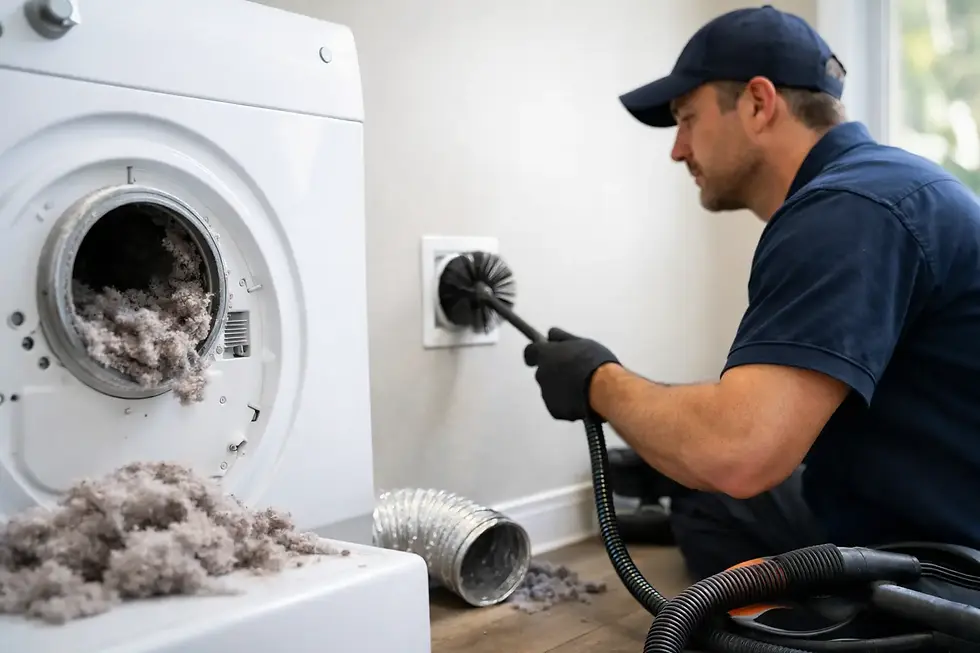
Inspect Air Ducts and Dryer Vents: These hidden spots can harbor mold and spread spores throughout your home.
If you find mold, don’t ignore it. The longer it stays, the more it spreads and the greater the health risk.

Practical Steps to Prevent Mold Growth
Prevention is your best defense against mold. Here’s a simple, step-by-step plan to keep your home mold-free:
Control Moisture: Fix leaks promptly, use dehumidifiers, and ensure proper ventilation in bathrooms and kitchens.
Keep It Dry: After showers or spills, dry surfaces quickly. Don’t let water sit around.
Maintain HVAC Systems: Regularly clean and inspect your air ducts and dryer vents. This helps prevent mold buildup and improves air quality.
Use Mold-Resistant Products: When renovating, consider mold-resistant drywall and paint.
Monitor Humidity Levels: Aim for indoor humidity between 30% and 50%. You can use a hygrometer to keep track.
Clean Regularly: Dust and vacuum often to reduce mold spores and allergens.
By following these steps, you’re not just protecting your home’s structure but also your family’s health.
When to Call in the Professionals
Sometimes, mold problems are bigger than a DIY fix. If you notice extensive mold growth, persistent musty odors, or if anyone in your home has severe allergic or respiratory symptoms, it’s time to call in the pros.
Professional mold remediation experts have the tools and know-how to:
Identify hidden mold sources
Safely remove mold without spreading spores
Fix underlying moisture problems
Clean and sanitize air ducts and dryer vents to improve indoor air quality
In Las Vegas, where dust and dry air can mask moisture issues, professional air duct and dryer vent cleaning services are a smart investment. They help keep your HVAC system running efficiently and your indoor air healthy.
Breathing Easy: Your Mold-Free Home Awaits
Mold might be invisible to the naked eye at first, but its effects on your health and home are very real. By staying alert, taking preventive measures, and acting quickly when you spot mold, you can keep your indoor environment safe and comfortable.
Remember, your home should be your sanctuary - a place where you breathe easy and feel good. Don’t let mold steal that peace of mind. Keep your eyes open, your home dry, and your air ducts clean. Your lungs will thank you.
Stay safe, stay healthy, and enjoy the fresh air!


Comments