
Can Dirty Vents Raise Electric Bills at Home?
- coolbreezelv
- 14 hours ago
- 5 min read
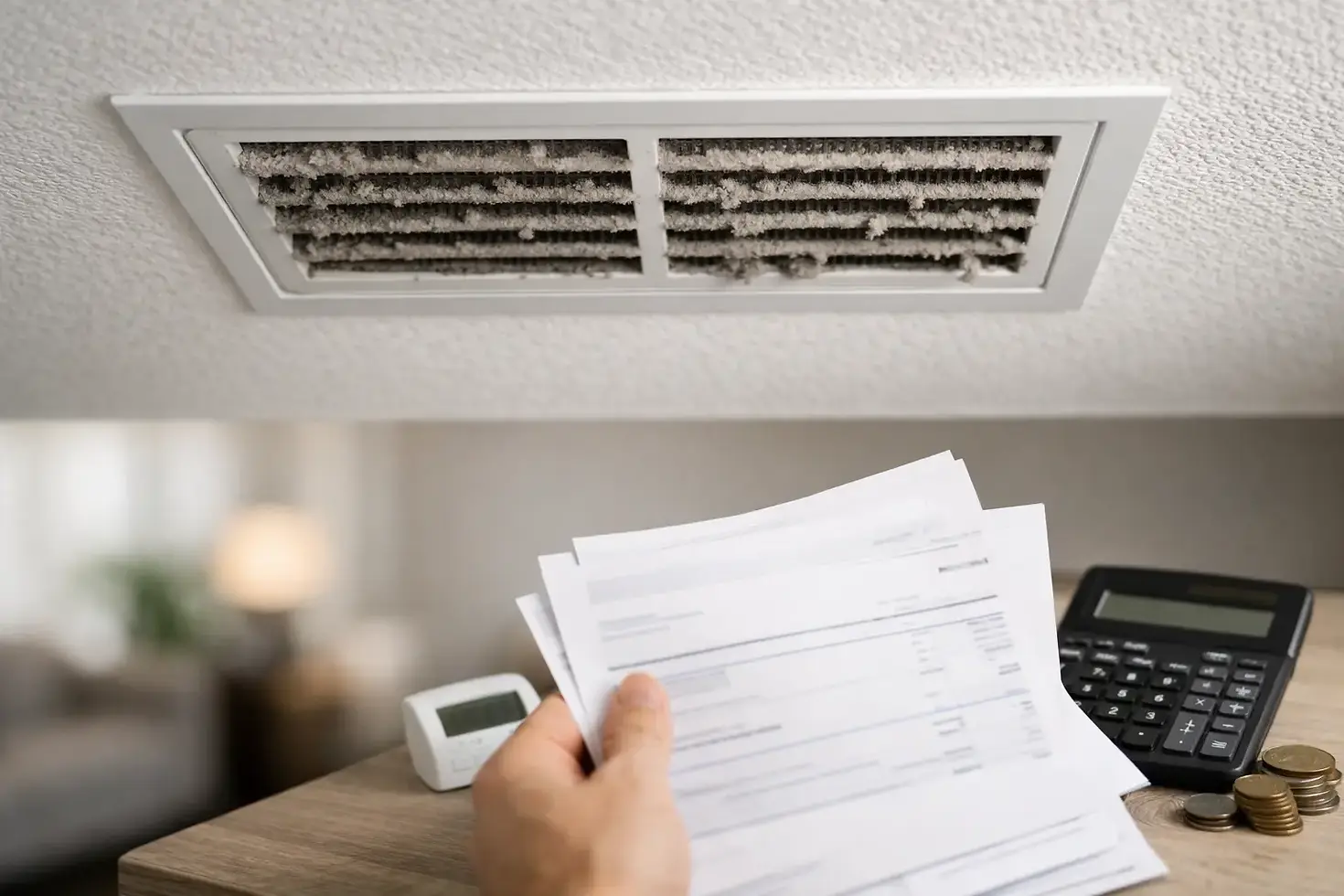
A sudden jump in your power bill often gets blamed on the thermostat. But the problem may be moving through the house every time the AC turns on. Can dirty vents raise electric bills? Yes, they can contribute to higher costs when dust and debris restrict airflow and force your HVAC system to run longer. In Las Vegas, where air conditioners work hard for much of the year and desert dust finds its way indoors, small airflow problems can become expensive ones.
Dirty vents are not always the only reason for a high bill. A clogged filter, aging equipment, leaky ducts, poor insulation, thermostat settings, and extreme outdoor temperatures can all play a part. Still, neglected vents and ductwork can add strain to a system that is already working through long, hot days.
How Dirty Vents Can Raise Electric Bills
Your air conditioner depends on steady airflow. It pulls warm indoor air through return vents, cools that air at the indoor unit, and sends it back through supply vents. When dust, pet hair, construction debris, or other buildup interferes with that process, the system has to work harder to move enough air.
That extra work can show up as longer cooling cycles. Instead of reaching the temperature set on your thermostat efficiently, the AC may run for extended periods or turn on more frequently. More runtime generally means more electricity used.
A dirty vent cover by itself does not always create a major energy problem. The bigger concern is what the visible dust may indicate behind the grille: a dirty air filter, buildup in return ducts, blocked registers, or debris near HVAC components. When contamination is widespread, airflow and system performance can suffer.
Restricted Airflow Creates More HVAC Strain
Think of your HVAC system as a connected path. Air has to move from the rooms, through the return system, across the equipment, and back into the home. Restrictions anywhere along that path make the blower motor work harder.
Dust buildup in ducts can narrow the space available for air to travel, particularly when it combines with pet hair, lint, or moisture-related residue. A clogged filter can create an even more immediate restriction. If the system cannot pull in enough air, it may struggle to cool evenly, and some rooms can feel warmer than others.
The result is often a familiar cycle: someone lowers the thermostat because a bedroom feels warm, the unit runs longer, and the electric bill rises. The thermostat was not necessarily the cause. It may simply be reacting to a comfort problem created by poor airflow.
Las Vegas Dust Makes the Issue More Noticeable
Homes and businesses in Las Vegas, Henderson, North Las Vegas, Summerlin, and Spring Valley face conditions that can speed up dust accumulation. Fine desert dust, sand, pollen, and debris can enter through doors, windows, gaps around the home, and outdoor air leaks. Add daily activity, pets, and remodeling projects, and ventilation systems can collect more buildup than many property owners expect.
During peak summer heat, an AC system has little room to lose efficiency. Even a modest airflow restriction can matter when the unit is operating for hours each day. Keeping vents, filters, and ductwork in good condition is practical preventative maintenance, not just a cleaning preference.
Signs Dirty Vents May Be Affecting Your Energy Use
A high electric bill alone does not prove that vents are the issue. Look for it alongside other signs of restricted airflow or dirty ductwork. Dust collecting quickly around vent covers, weak airflow from certain supply vents, hot and cold spots between rooms, musty odors when the system starts, and more frequent allergy irritation are all worth investigating.
You may also notice the AC running longer than it used to, even when your thermostat setting has not changed. If the outdoor temperature is similar to previous years but your energy use keeps climbing, it is reasonable to inspect the parts of the system that affect airflow.
For commercial properties, the signs may show up differently. Employees or tenants may complain about stuffy rooms, inconsistent temperatures, dust on desks soon after cleaning, or high utility costs during occupied hours. Property managers should also pay attention to areas with heavier traffic, recent tenant improvements, or ongoing construction nearby, since those conditions can add debris to a ventilation system quickly.
Dirty Vents vs. Other Causes of High Electric Bills
It is worth being realistic: duct and vent cleaning is not a cure for every high utility bill. If your air conditioner is undersized, nearing the end of its service life, low on refrigerant, or dealing with a damaged compressor, cleaning vents will not solve the underlying mechanical problem.
Likewise, a dirty duct system may not be the main issue if your home has major air leaks, inadequate attic insulation, old windows, or an unusually high thermostat demand during a heat wave. Energy costs depend on the whole building, not one component.
However, clean ventilation supports the rest of the system. When airflow is unobstructed, a clean filter is installed, and registers are open and clear, your HVAC equipment has a better chance to operate as designed. That can help reduce unnecessary runtime and may lower the risk of breakdowns caused by ongoing strain.
What to Check Before Your Next Utility Bill
Start with the easy, high-impact items. Check your HVAC filter and replace it if it is visibly loaded with dust or if it has reached the recommended replacement interval. A clean filter is one of the simplest ways to protect airflow and equipment performance.
Next, walk through the property and look at supply and return vents. Move furniture, rugs, curtains, and stored items away from them. A blocked vent cannot deliver or receive air properly, and closing too many vents can disrupt the system's balance.
Then look beyond the vent cover. If you see heavy dust blowing from registers, debris inside accessible ducts, recurring dust throughout the property, or consistently weak airflow, a professional inspection can help determine whether cleaning is appropriate. Certified technicians can assess the condition of the ductwork, identify visible buildup, and use proper equipment to remove debris without spreading it through the home or business.
Do Not Forget the Dryer Vent
A dryer vent is separate from the HVAC system, so it will not typically raise your air conditioning bill in the same way. But a clogged dryer vent can absolutely increase electricity or gas use because the dryer takes longer to dry each load. More importantly, lint buildup is a fire safety concern.
If clothes are taking multiple cycles to dry, the laundry room feels unusually hot, or the exterior dryer vent flap is not opening well, schedule a dryer vent inspection and cleaning promptly. It is a small maintenance task with meaningful safety and efficiency benefits.
When Professional Vent Cleaning Makes Sense
Professional duct and vent cleaning is most useful when there is clear buildup, recent construction dust, pest-related debris, water damage concerns, unusual odors, or persistent airflow issues that have not improved with a filter change. It can also make sense for households managing allergies, asthma triggers, or heavy pet dander.
The goal should not be a vague promise of perfect air. It should be a clear assessment of the system, transparent recommendations, and cleaning methods that remove accumulated debris while protecting your equipment and indoor environment. For Las Vegas property owners, regular maintenance is especially valuable before the longest stretch of cooling season puts every part of the HVAC system under pressure.
Cool Breeze LV LLC helps homeowners, businesses, and property managers address dirty ductwork, AC vents, and dryer vents with environmentally safe cleaning methods and straightforward communication. A free estimate can help you understand whether cleaning is likely to address your specific airflow, dust, or efficiency concerns.
Before turning the thermostat lower to fight a warm room, take a look at the airflow that reaches it. A clean, clear ventilation system gives your AC a better chance to keep your space comfortable without working harder than it needs to.


Comments